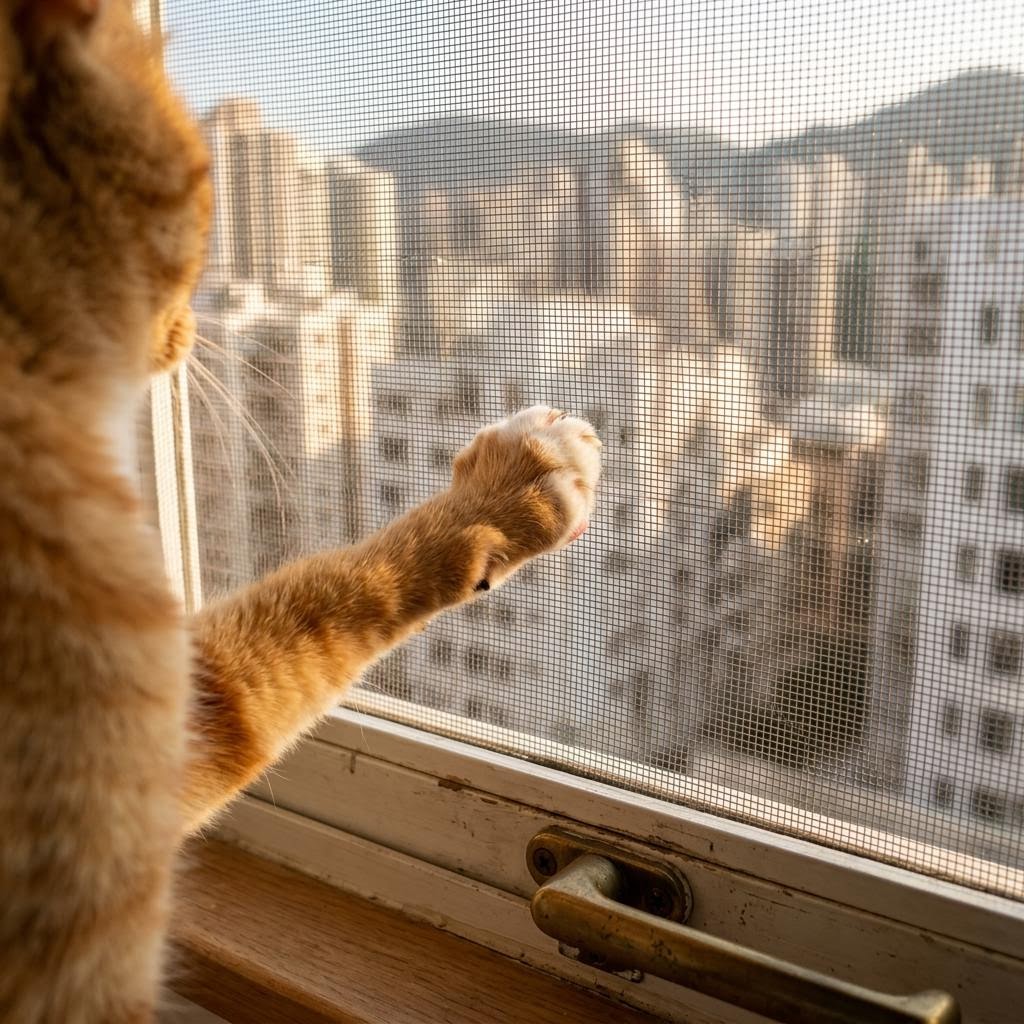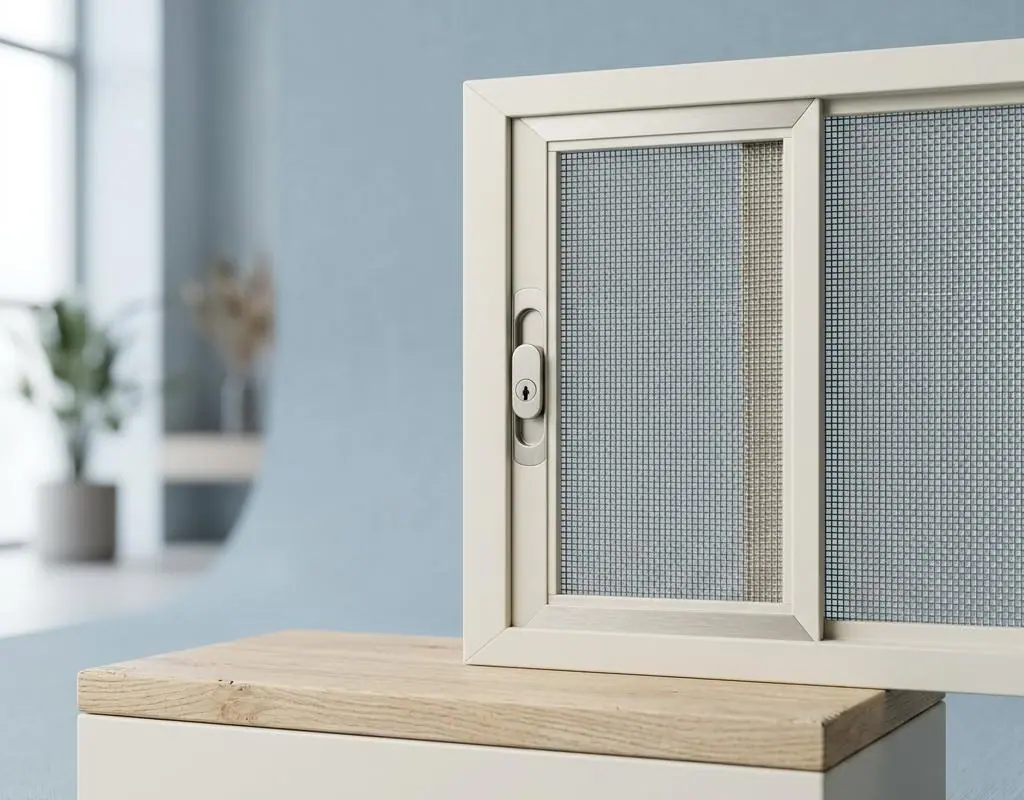

As more and more families start keeping cats, cat screens have become an important home facility, especially in places with balconies or windows. The main function of cat screens is to protect cats' safety while allowing them to enjoy fresh air and sunshine. However, there are various types of cat screens on the market, which can be overwhelming. This article will help you understand different types of cat screens and their suitable scenarios, helping you choose the most suitable cat screen.
1. Basic types of cat screens
First, cat screens can be divided into two main types according to the installation location: window cat screens and balcony cat screens. Window cat screens are usually installed on windows to prevent cats from jumping out of the window; balcony cat screens are used to enclose balconies, allowing cats to enjoy the outdoor environment within a safe area. Depending on your living environment, choosing the right type is the first step.
2. Material selection
Cat screens come in a variety of materials, with common ones including nylon mesh, metal mesh, and plastic mesh. Nylon mesh is lightweight and wear-resistant, making it suitable for indoor use; metal mesh is more sturdy, making it suitable for situations that require long-term outdoor use; plastic mesh is usually lower in price, but less durable. When choosing a material, you need to consider the cat’s activity level and the environmental conditions of the installation location.
3. Mesh size
The size of the mesh holes is also a factor to pay attention to when choosing a cat screen. If the mesh holes are too large, the cat may escape; if they are too small, they may affect ventilation and visibility. Generally speaking, the mesh size should be between 2.5 cm and 5 cm, so that it can both ensure the cat's safety and maintain good ventilation. According to the cat's size and activity range, choosing the right mesh size is crucial.