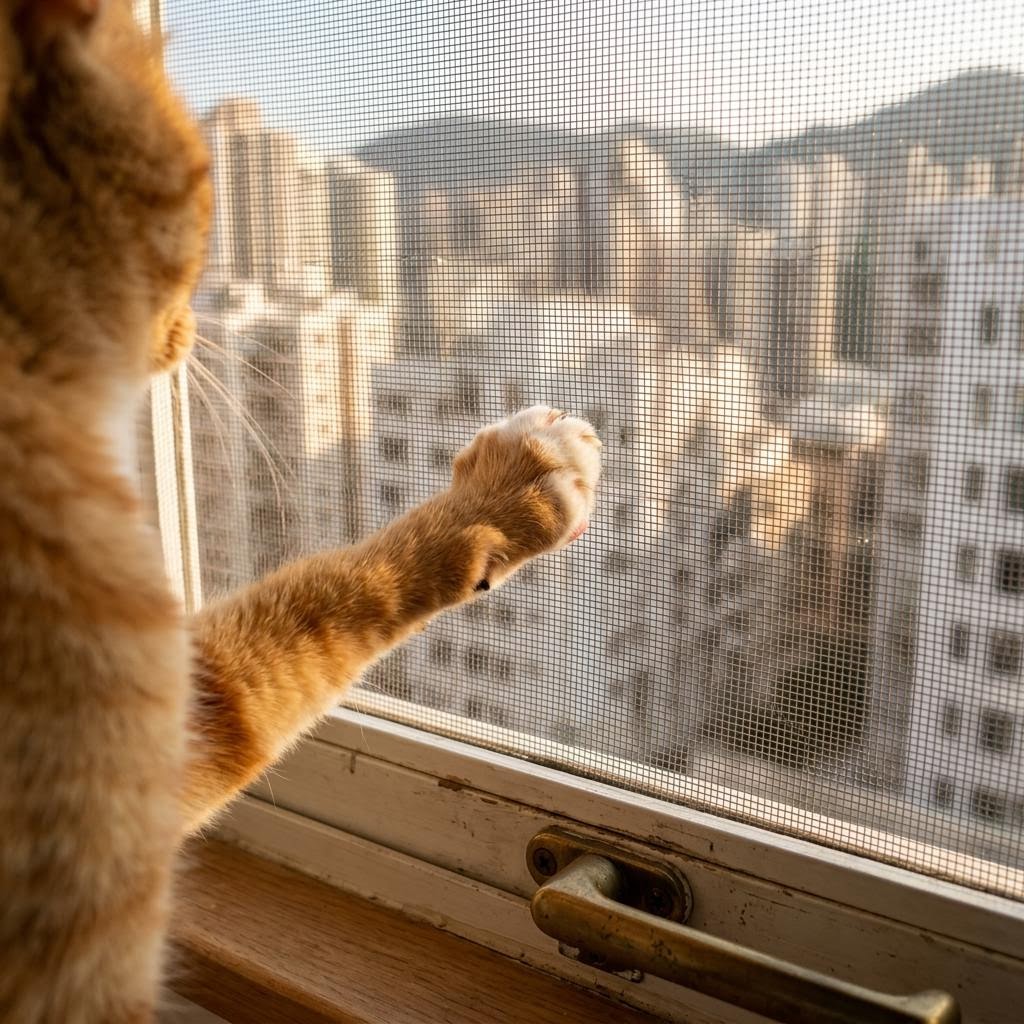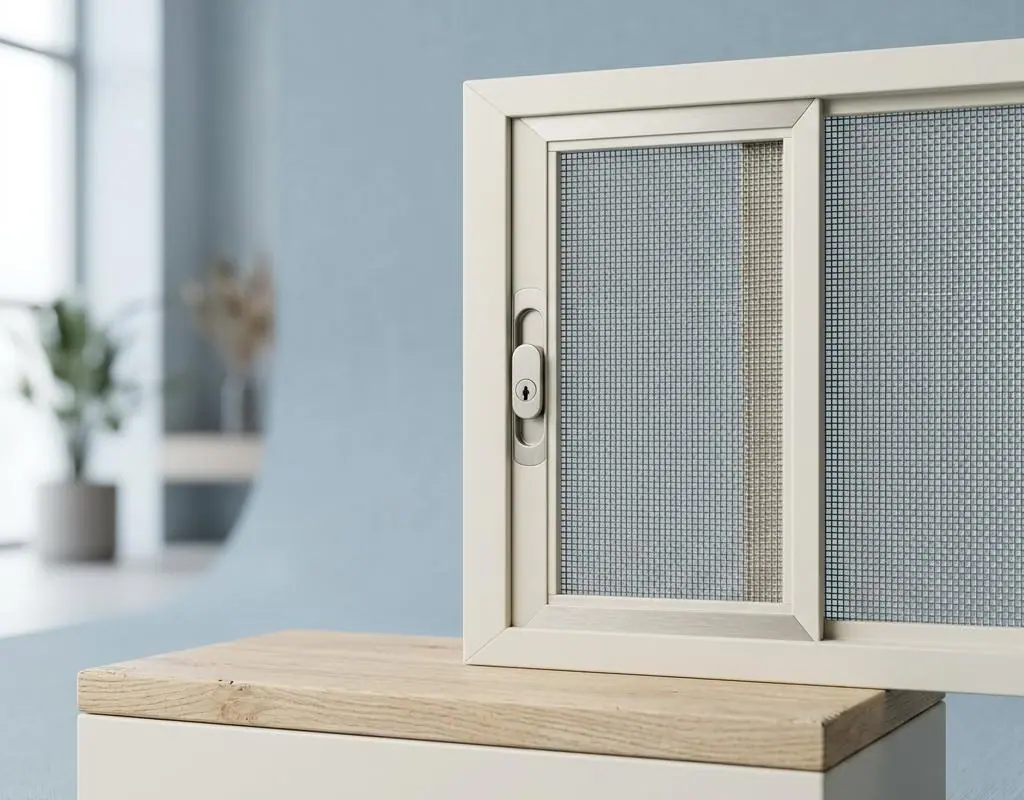
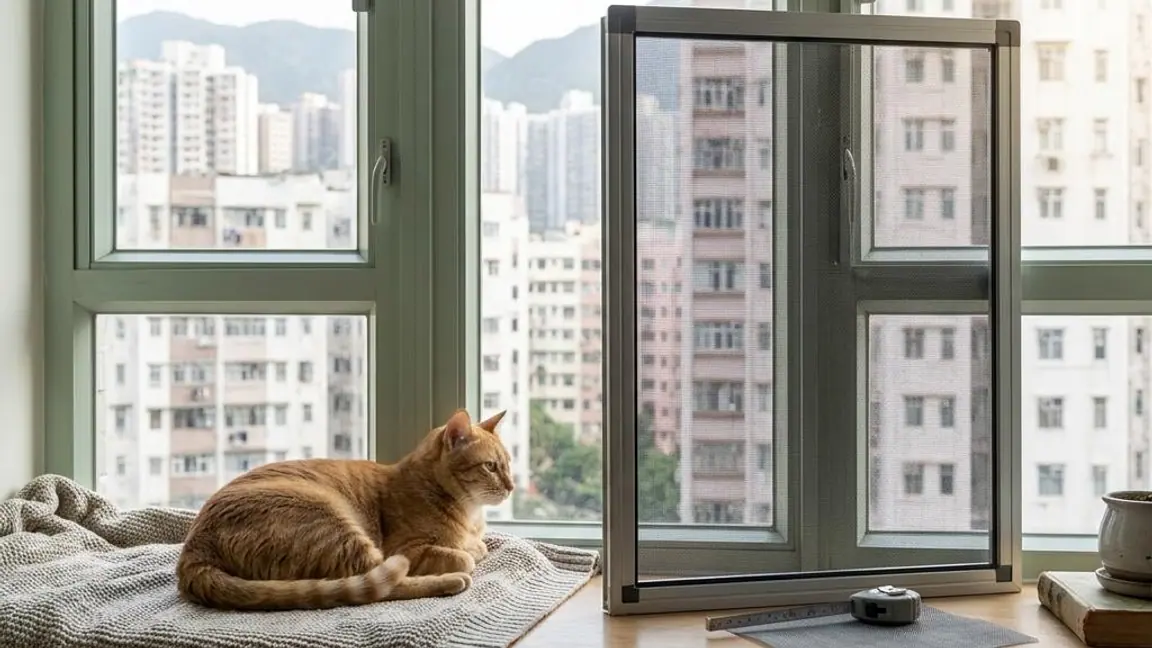
Cats are curious and adventurous animals, which makes protecting them from harm a challenging task. However, for cat owners, one tool that can greatly improve their pets' safety is cat screens. This article will take an in-depth look at how to ensure cat screens are safe and effective, including choosing the right cat screen, the correct installation method, and how to carry out proper maintenance.
How to ensure cat screen safety and effectiveness | Choosing the right cat screen
Material selection
The foremost factor when choosing a cat screen is its material. Make sure your cat screen can withstand the pressure your cat may exert. It is best to choose a mesh made of nylon or metal, as these materials are not only strong and durable, but also not easy to tear by a cat’s claws or teeth. Although some softer materials, such as cotton or cork, may seem more comfortable, they may not be able to withstand a cat’s climbing or biting.
Aperture size
The mesh size of the cat screen is also an important consideration. If the mesh openings are too large, the cat may try to climb through, which could cause them to get stuck or fall. To avoid this situation, you should choose a screen with mesh openings smaller than the cat's head, so that even if they try to climb through, they will not get trapped.
How to ensure cat screen safety and effectiveness | Installing cat screens
Correctly fixed
After you buy a suitable cat screen, the next step is to install it. The key to installing a cat screen is ensuring that it is fixed tightly enough, which means you need to stretch the screen taut and firmly secure it to the edge of the window, balcony, or courtyard. You can use nails, cable ties, or other fastening tools to secure the position of the cat screen.