As urban living space shrinks, many cat owners face the challenge of how to provide a safe activity environment for cats within limited space. As an effective solution, cat screens can allow cats to move outdoors while avoiding accidents. However, installing cat screens in small spaces requires certain skills and creativity. This article will provide a detailed guide to help you successfully install cat screens in a small space, allowing your cat to enjoy life safely and freely.
1. Determine the installation position
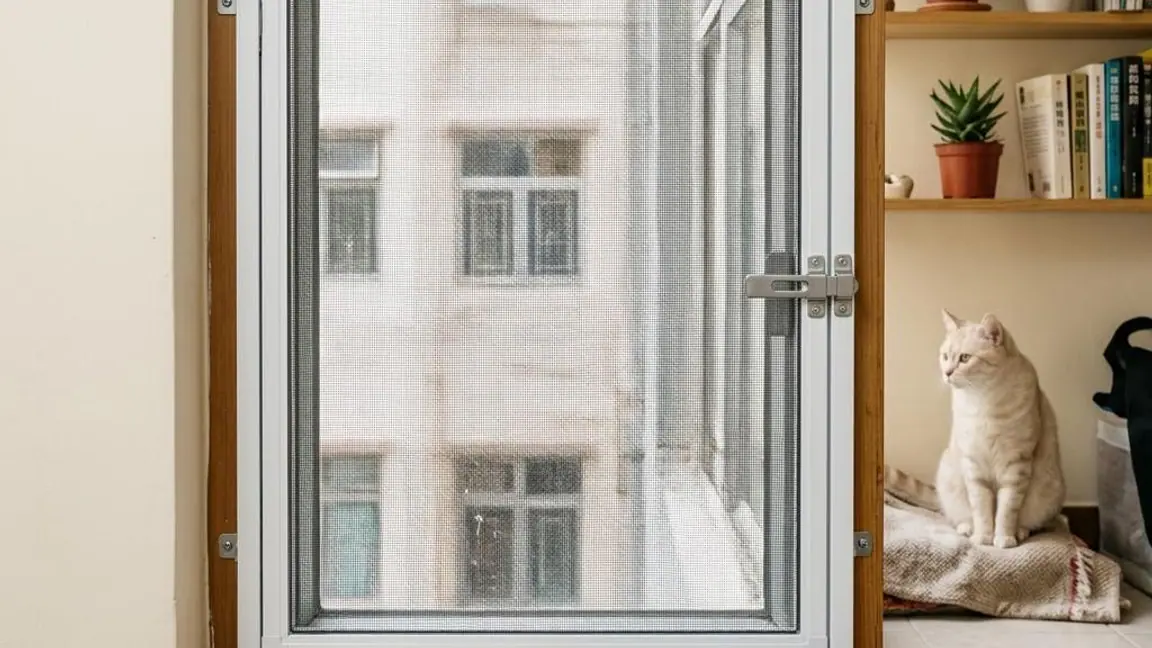
Before installing a cat screen, first choose a suitable installation location. For small spaces, a balcony, window or small outdoor area are all good choices. Make sure the location can provide enough sunlight and ventilation, while also preventing the cat from escaping. Use a measuring tape to measure the size of the installation area and record it for subsequent design and installation.
2. Choose the right cat screen type
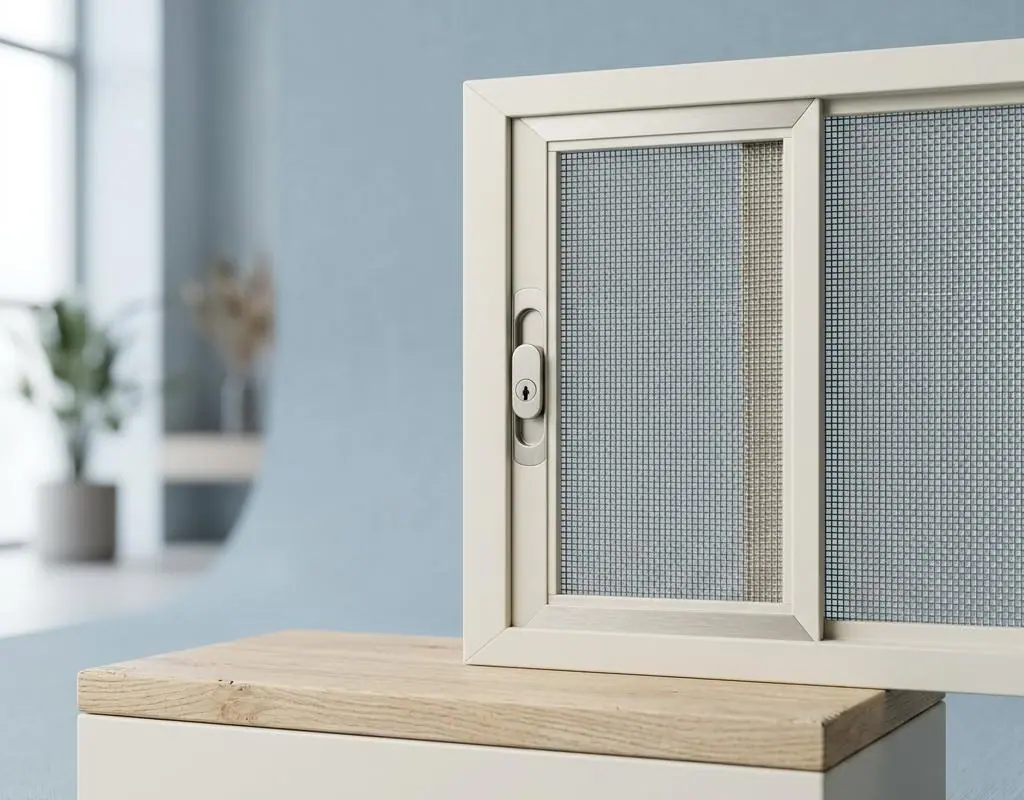
In small spaces, choosing the right type of cat screen is crucial. There are many cat screen options on the market, including removable, fixed and retractable types. Removable cat screens are suitable for temporary use and are convenient to install and remove; fixed cat screens are more stable and suitable for long-term use. Choose the appropriate type according to your needs and the characteristics of the space, and consider the activity needs of the cat.
3. Design the installation plan
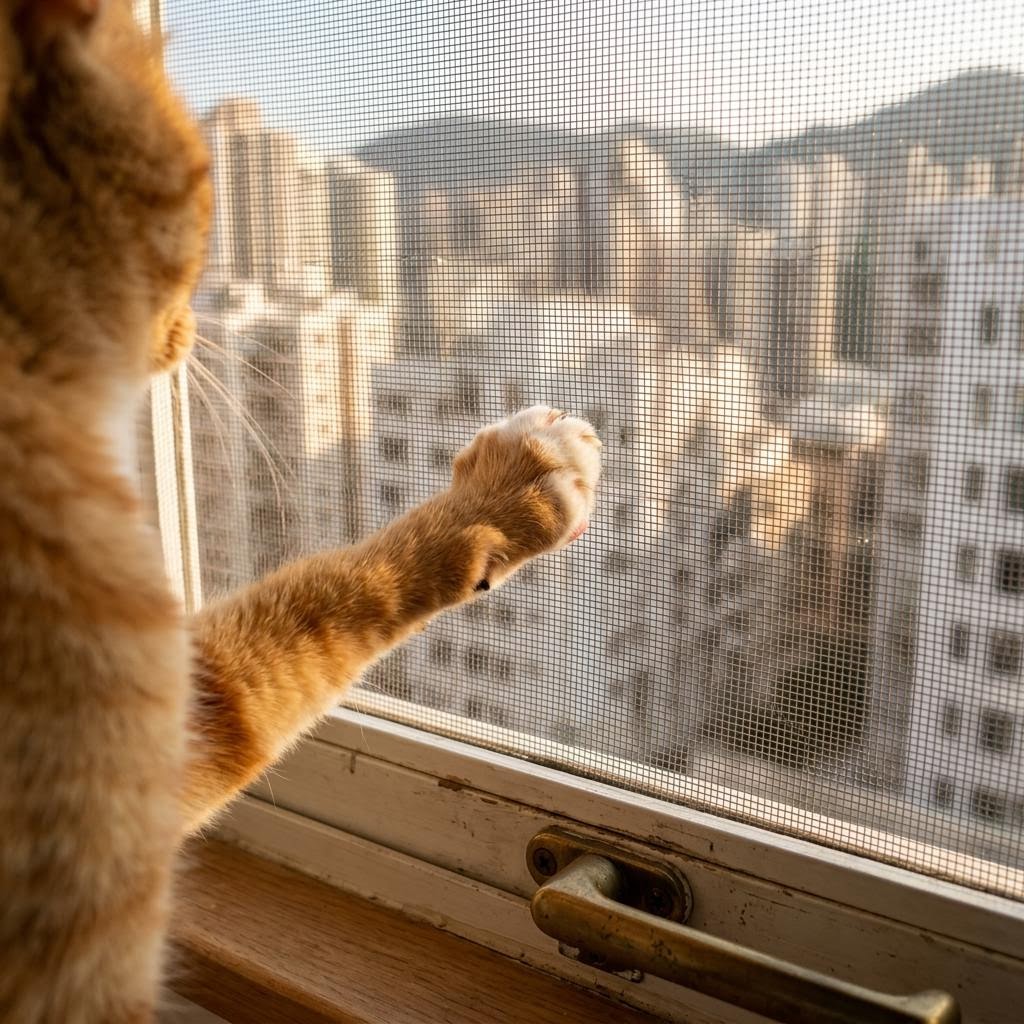
Designing a proper installation plan can maximize the use of a small space. You may consider installing the cat screen on the outside of the window and tightening the mesh through fixed brackets, so as to avoid taking up indoor space. In addition, making use of corners or vertical space is also an effective solution. You can design multi-layer cat screens to give cats more activity space and increase their exercise and desire to explore.
4. Prepare installation tools and materials
Installing cat screens requires some basic tools and materials, including an electric drill, screwdriver, measuring tape, level, cat screen and fixing brackets, etc. When preparing the materials, make sure the selected cat screen material is strong and durable enough to resist cats' scratching and jumping. The choice of fixing brackets should also take into account the characteristics of the installation location to ensure the cat screen can be firmly fixed.
5. Precautions during the installation process
During the installation of cat screens, there are several points that require special attention. First, ensure the stability of the installation location to avoid the cat screen falling off due to instability. Second, when installing the fixed brackets, use a spirit level to check whether they are level, so as to ensure the tautness of the cat screen. In addition, after installation is completed, carefully check every seam of the cat screen to ensure there are no gaps and to prevent cats from escaping.
Looking for help from a professional team
If you feel overwhelmed during the cat screen installation process, or if the space is particularly small, it is recommended to seek help from a professional team. Professional cat screen installation services can provide a tailor-made solution based on your specific needs, ensuring the safety and stability of the cat screen. They have extensive experience and professional tools, and can complete the installation in the shortest possible time, so you do not have to worry about follow-up maintenance issues.
Installing cat screens in a small space is not difficult. As long as you plan properly and choose suitable materials, you can create a safe activity environment for cats. By determining the installation location, selecting the right type of cat screen, designing the installation plan and paying attention to the installation details, you can let cats enjoy sunshine and fresh air to the fullest within a limited space. If difficulties arise, help from a professional team will be your best choice. We hope these suggestions can help you successfully install cat screens and create a safe and comfortable living space for your cats.