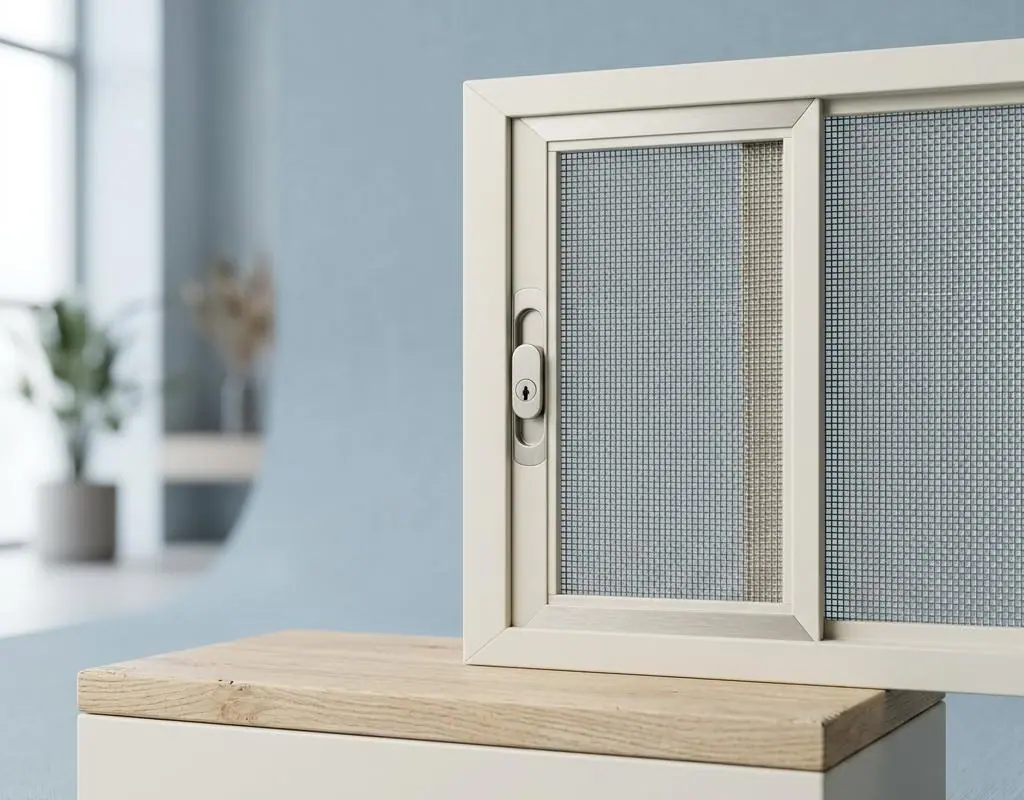
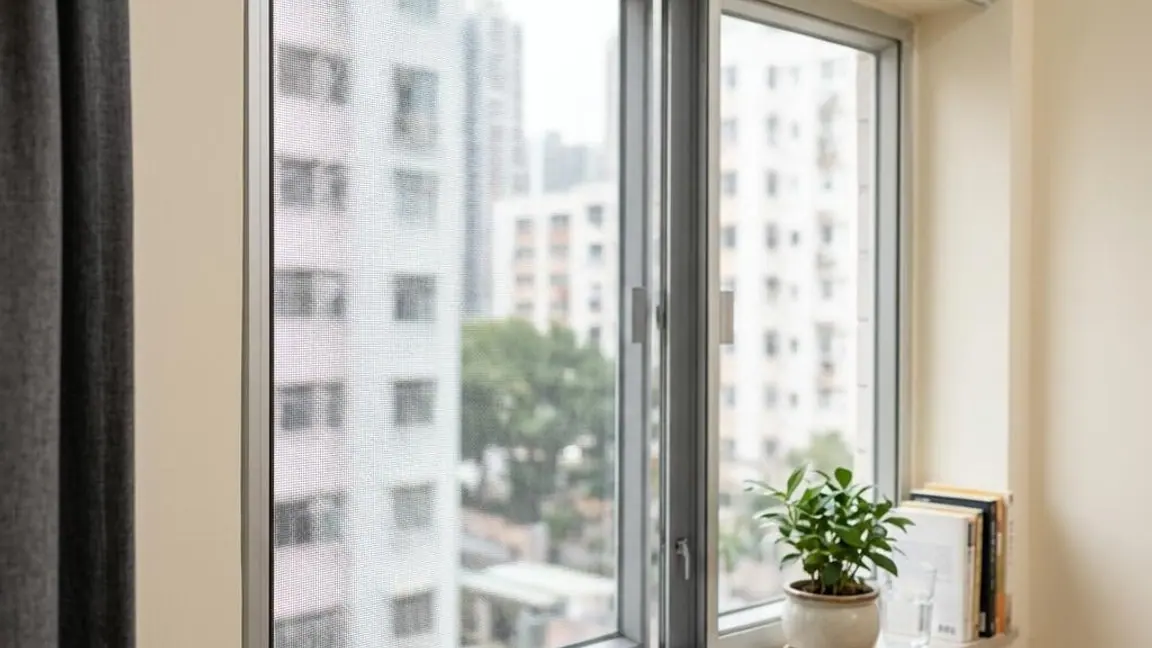
When winter comes, many households may put away their insect screens, believing that cold weather will naturally drive away insects; however, this is a common misconception. Even in winter, insect screens are still an important part of home safety. This article will explore the effectiveness of insect screens in winter and provide a buying guide to help you make an informed choice.
The effectiveness of winter insect screens
Continuous mosquito protection effect
Mosquitoes and other insects may survive in warm indoor environments, or be active in mild climates. Winter insect screens can effectively block these small insects and protect family members from their disturbance.
Air circulation
While keeping the indoor space warm, we still need fresh air. An insect screen can prevent cold drafts from entering while allowing air circulation, ensuring indoor air quality.
Dust blocking
Winter insect screens can reduce dust and other fine particulate matter from entering the room, which is especially important for people with respiratory sensitivities.
Privacy protection
Insect screens provide a degree of screening, making indoor activities less visible to people outside and helping protect your privacy.
Aesthetics and practicality
Modern insect screens come in many designs and can be part of interior decoration while also providing practical protective functions.
Guide to Choosing Winter Insect Screens
To choose a mosquito screen suitable for winter use, you need to consider the following factors:
Material
Choose high-quality fibre materials, such as polyester or nylon. These materials are not only durable, but also provide good insulation.
mesh density
Choose a finer mesh, as it can better block mosquitoes and other insects while maintaining good ventilation.