Mosquitoes in summer often bring inconvenience and trouble, but more importantly, they are also vectors for various mosquito-borne diseases. Mosquito-borne diseases, such as malaria, dengue fever, Zika virus, etc., pose a serious threat to human health. In this article, we will explore the importance of insect screens in preventing mosquito-borne diseases, and introduce their effectiveness and how to use them.
The mosquito-prevention principle of insect screens
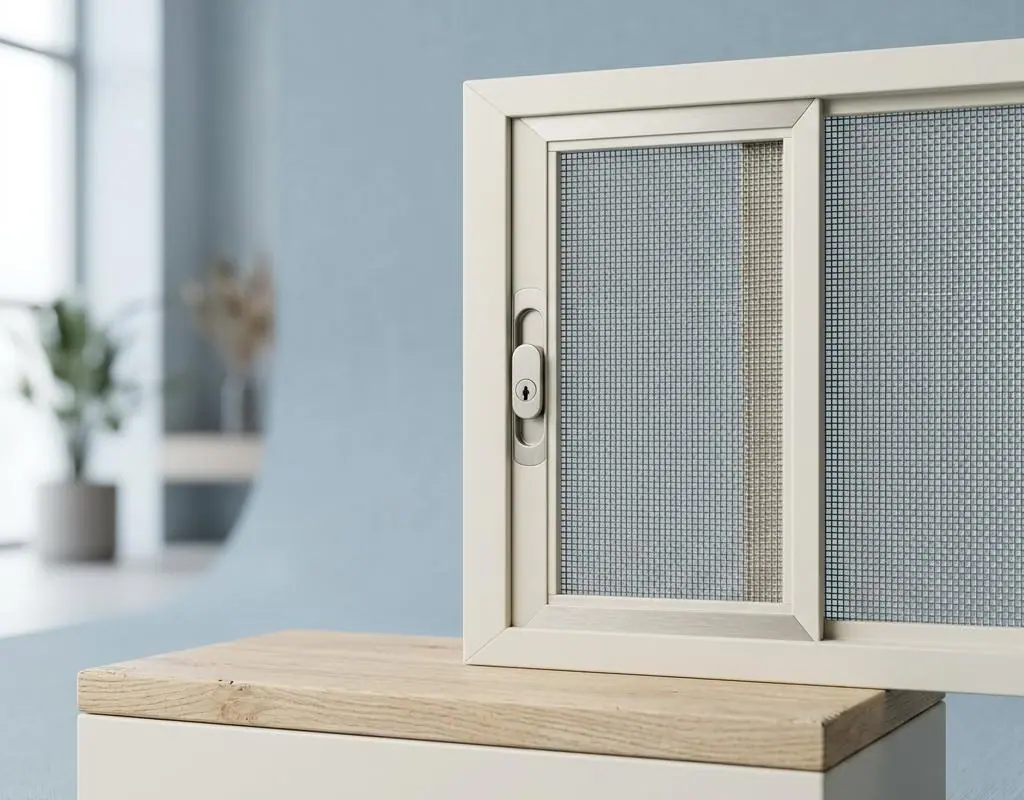
A mosquito net is a physical barrier that prevents mosquitoes from entering indoors through the size of its mesh. The mesh size of a mosquito net is usually designed to block mosquitoes from entering while still allowing air to circulate, thereby keeping the indoor space cool.
Prevent malaria
Malaria is a serious disease transmitted by mosquitoes. Insect screens play a key role in preventing malaria. Installing insect screens in sleeping areas, especially on the beds of children and pregnant women, can effectively stop the bites of mosquitoes that spread malaria. In addition, combining mosquito nets and indoor insecticides can further improve protection.
Prevent dengue fever and Zika virus
Dengue fever and Zika virus are also diseases transmitted by mosquitoes. Insect screens can effectively stop mosquitoes carrying these viruses from entering indoors, reducing contact between people and mosquitoes. In particular, in epidemic areas or high-risk areas, installing high-quality insect screens can provide extra protection.
How to use insect screens
When using insect screens, please ensure they are securely installed and free from damage. Check whether the edges of the insect screen are intact, and fix it to the supports on windows, doorways, or beds. Clean the insect screen regularly to remove dust and dead mosquitoes on it, so as to maintain its effectiveness. At the same time, avoid direct contact with the insect screen to prevent damage to its structure.
Combining with other preventive measures
In addition to insect screens, combining other preventive measures can improve protection. For example, use products such as mosquito coils, mosquito nets and insect repellents indoors and outdoors. Pay attention to removing standing water and reducing mosquito breeding grounds, such as flower pots, buckets and drains.
A mosquito net is a simple and effective tool for preventing mosquito-borne diseases. By preventing mosquitoes from entering indoors, it reduces contact between people and mosquitoes, thereby lowering the risk of transmission of mosquito-borne diseases. Especially in endemic or high-risk areas for malaria, dengue fever and Zika virus, installing high-quality mosquito nets can provide additional protection. However, the use of mosquito nets is only one of the preventive measures; combining other mosquito-prevention measures and environmental sanitation is a comprehensive strategy for maintaining indoor and outdoor hygiene and preventing mosquito-borne diseases. Let us act together to protect our health and stay away from the threat of mosquito-borne diseases.