Mosquitoes are a nuisance in many people's lives, especially in summer. To prevent mosquito bites, installing insect screens is a common and effective solution. However, some problems will also arise during the installation process of insect screens. In this article, we will discuss the problems faced in insect screen installation and provide corresponding solutions, hoping to be helpful to readers.
Choose an insect screen of the right size for the window
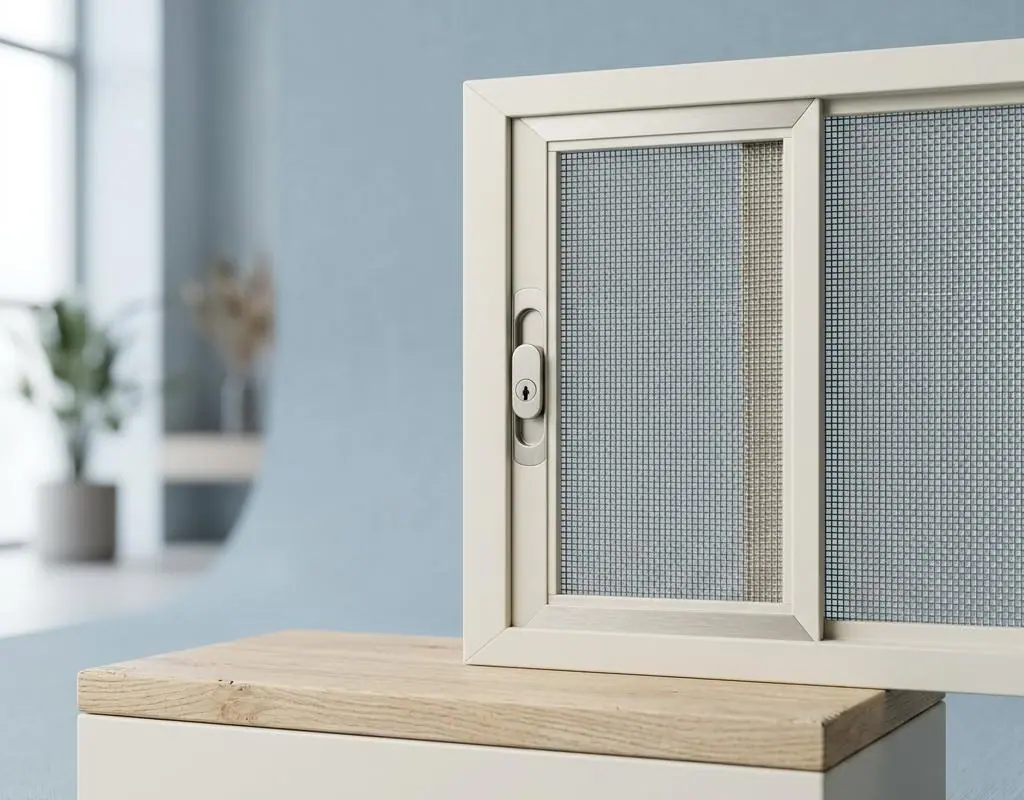
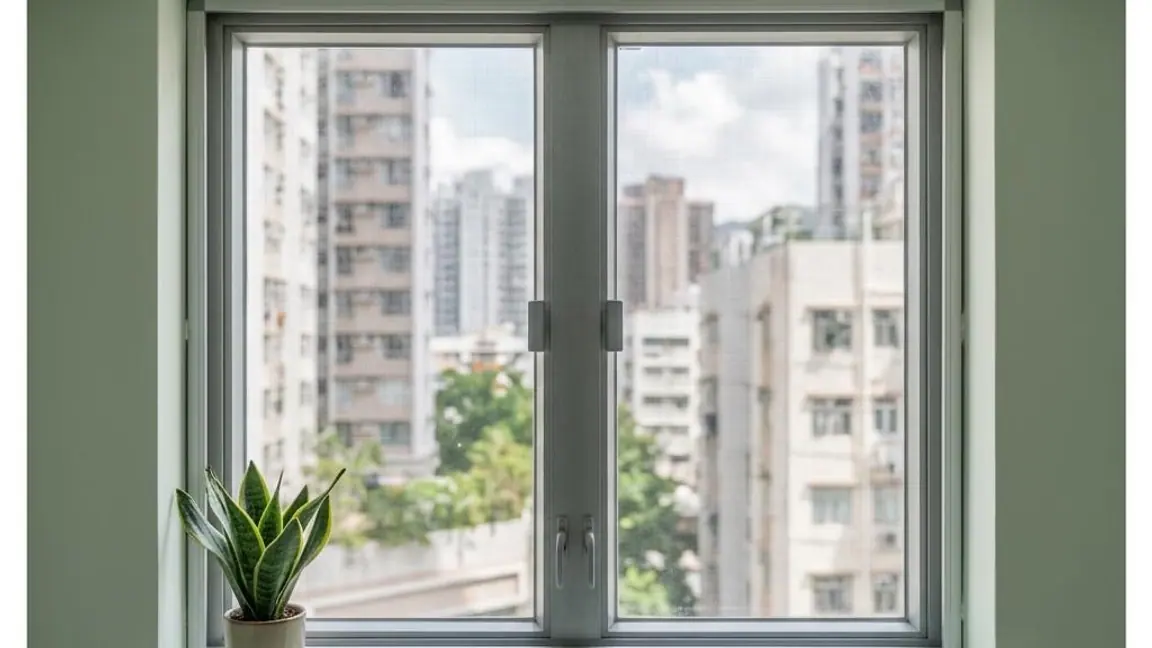
When installing an insect screen, the first thing to consider is the size of the window. If the size of the insect screen does not match the window, it will not only affect the appearance, but may also fail to completely block mosquitoes from entering. Therefore, before buying an insect screen, be sure to carefully measure the size of the window and choose the appropriate insect screen size. If the window is large, you can choose a retractable insect screen; if the window is small, you can choose a cut-to-size insect screen.
Use the appropriate installation method
The way insect screens are installed directly affects their stability. If they are not installed securely, insect screens can easily fall off and fail to perform their intended function. To ensure that insect screens are firmly installed, the following methods can be used:
1. Use adhesive or double-sided tape to fix the insect screen to the window frame, ensuring that the insect screen fits the window frame closely.
2. Use small hooks or hook rings around the insect screen to secure it and increase the stability of the insect screen.
3. For larger windows, you can choose an insect screen with a metal frame to improve overall sturdiness.
Choose high-quality insect screen materials
The quality of the insect screen material also directly affects its service life. Some low-quality insect screens are easily damaged and cannot perform their intended function for long. Therefore, when purchasing insect screens, priority should be given to materials with better durability, such as stainless steel wire mesh or high-density polyethylene mesh. These materials are not easy to rust and have strong tear resistance, which can ensure the service life of the insect screen.