
Back to the window screen encyclopediaSafety precautions for mosquito net installation

Safety precautions for mosquito net installation

Table of contents

With the arrival of summer, mosquitoes have become a nuisance for many families, especially breeding and multiplying in humid environments. To effectively prevent mosquitoes from entering indoors, installing insect screens is a simple and effective solution. However, during the installation process, safety precautions must be observed to ensure the smooth progress of installation and the safety of family members. This article will introduce the safety precautions that need to be observed during insect screen installation to help you complete the installation safely and effectively.

Prepare tools and materials

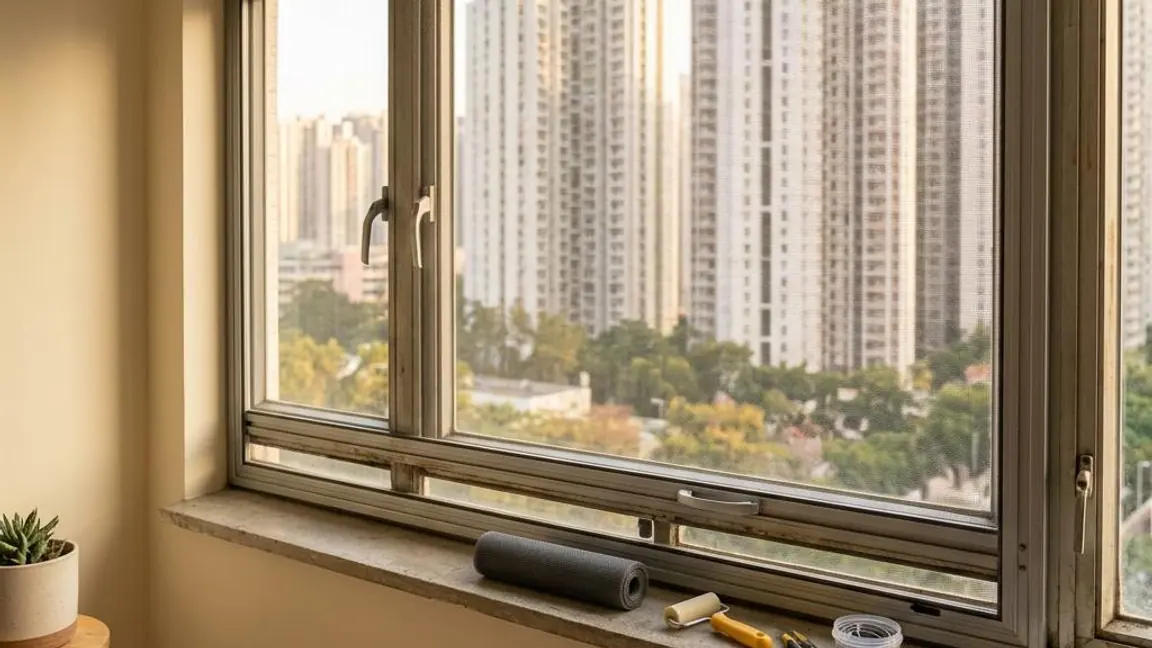
Before starting to install the insect screen, you first need to prepare the required tools and materials. Common tools include a screwdriver, scissors, tape measure, spirit level, and pencil, etc. When choosing materials, you should ensure the insect screen is of good quality and select one suitable for your window model. During the process of preparing tools and materials, be sure to ensure each tool is intact and undamaged, to avoid accidents during installation.

Make sure the work environment is safe

When installing an insect screen, choosing a safe working environment is very important. Outdoor installation should be avoided on rainy days or windy days, because this can easily cause slips or other accidents. In addition, avoid working at heights during installation; especially when using a ladder, make sure the ladder is stable and do not exceed its load limit. During the installation process, please ensure the surrounding area is tidy, and avoid tools and materials being scattered on the floor, so as to prevent tripping or causing injury.

Pay attention to power safety

During the installation of the insect screen, if the window needs to be dismantled or moved, be sure to pay attention to electrical safety. Especially when installing beside an electric window or other electrical equipment, please switch off the power first to avoid the risk of electric shock. If you are not sure how to handle it safely, it is recommended to seek help from a professional.
Wear personal protective equipment

When installing an insect screen, it is necessary to wear appropriate personal protective equipment. It is recommended to wear long-sleeved clothing and long trousers to prevent mosquito and insect bites. At the same time, using gloves can avoid cutting your fingers during the installation process. In addition, when using sharp tools, you should stay focused and avoid accidentally injuring yourself or others.

Check installation stability

After installation is complete, be sure to check the firmness of the insect screen. Check whether all screws are tightened to ensure the insect screen will not fall off due to external force. You can gently pull the insect screen to see whether it is stable and loose-free, and check whether there are any gaps to prevent insects from entering. This can ensure that the insect screen you installed can achieve its intended protective effect.

Looking for professional team help

If you encounter difficulties during the insect screen installation process, or are unsure how to install it correctly, seeking help from a professional team is a wise choice. A professional installation team has extensive experience and professional knowledge, and can provide tailor-made solutions based on your needs. They can not only ensure the insect screen is installed correctly, but also provide follow-up maintenance advice, so you do not have to worry about safety issues.

Installing insect screens is an important measure to protect the family from mosquito intrusion, but safety issues during the installation process must not be ignored. Through proper preparation, attention to workplace safety, wearing personal protective equipment and other measures, you can effectively reduce the risks during installation. We hope the safety precautions provided in this article can help you complete insect screen installation safely and enjoy a mosquito-free and comfortable living space.

Frequently asked by readers

FAQ

3 FAQs related to this article
Q1What is the difference between cat screens and insect screens?

Mosquito nets are mainly used to prevent mosquitoes and insects. The mesh is relatively fine but is not necessarily claw-resistant, and it is not a pet barrier either; cat screens mainly use more claw-resistant materials or structures, and are used to reduce the chance of cats contacting the outside of the window. Most styles also have mosquito-prevention functions.

Q2Can a general insect screen be used as a cat screen?

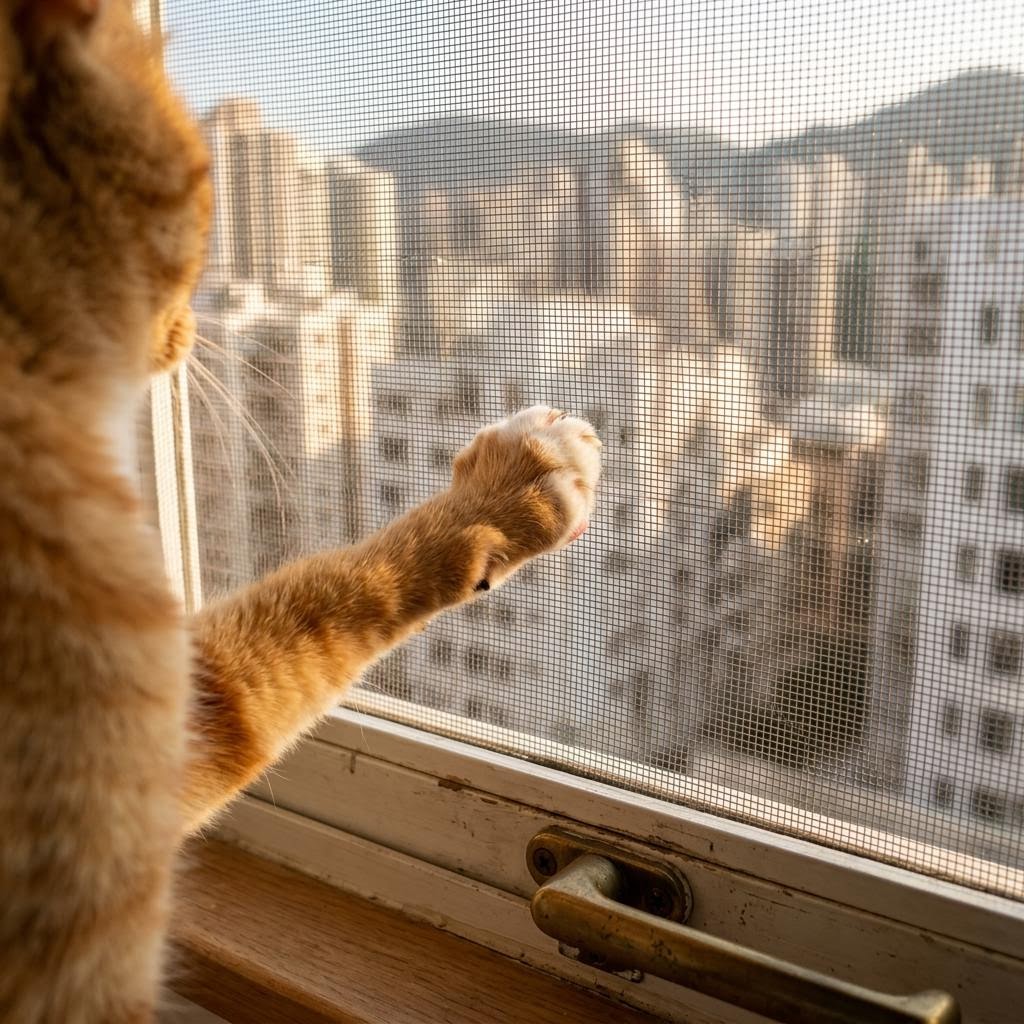
Not recommended. Standard insect screens are designed to keep insects out, and cats can scratch through or push them open. If there are cats at home, please choose cat screens.

Q3How do you compare ordinary high-definition and Japan ultra-clear retractable insect screens?

HD insect screens are $800 per window and $1,300 per door; Japanese ultra-high-definition insect screens are $1,500 per window and $2,500 per door. They should be compared according to transparency, opening and closing, cleaning needs, size and fixing conditions; sizes beyond the included range require separate quotation. Old booking service records only prove insect-proof use, and cannot be used to claim 22-mesh, 48-mesh, scratch resistance or cat-safe level; households with cats must be separately assessed.

View all FAQs

Continue reading

Related guides

Handled by dedicated staff

Related services

View full price list

Professional assistance

Want to learn about Mosquito net installation?

Send us photos of the installation location so we can understand the style, measurement and quotation arrangements.

The button will only open WhatsApp and prefill a message; it will only be sent after you confirm it.