
Back to the window screen encyclopediaSelected insect screens: a comprehensive guide to materials, sizes, design and maintenance

Selected insect screens: a comprehensive guide to materials, sizes, design and maintenance

Table of contents

A mosquito screen is an important protective tool in our daily lives. Especially in summer or tropical regions, its presence can effectively prevent mosquito and insect nuisance and protect our health. However, there are many types of mosquito screens on the market. How do you choose one that not only meets your needs but also offers high value for money? This article will provide a complete buying and usage guide from the aspects of mosquito screen material, size, design, and maintenance.

Material and mesh density: determine the mosquito-proof effect and lifespan

When choosing an insect screen, the primary factors to consider are its material and weave density. Different materials have a direct impact on the effectiveness and lifespan of the insect screen, while the weave density determines the screen's breathability and protective capability.

Cotton insect screens:The main advantages of cotton insect screens are their good breathability and comfort, and they are less irritating to the skin. However, cotton fibers easily absorb moisture, wrinkle easily, and are prone to deformation after washing, so they need to be replaced regularly.

Nylon insect screens:Nylon insect screens are favoured by consumers for their high durability and ease of cleaning. Their price is relatively cheap, but because nylon has relatively poor breathability, it may affect the user's sleep quality.

Polyester fiber insect screen:Polyester fiber insect screens combine the advantages of cotton and nylon, offering both good durability and maintaining a certain level of breathability. They have become a screen material widely welcomed by consumers in recent years.

As for mesh density, generally speaking, the higher the mesh density of an insect screen, the better the protective performance, but the breathability may decrease. Therefore, when choosing, you need to make an appropriate selection according to your own needs and the usage environment.

Size and design: balancing practicality and aesthetics

When choosing an insect screen, in addition to considering its material and weave density, you also need to pay attention to its size and design. The size of the insect screen needs to match your bed or place of use; otherwise, it may affect its insect-proof performance and user experience. As for the design, factors such as the installation method and opening design of the insect screen should be considered.
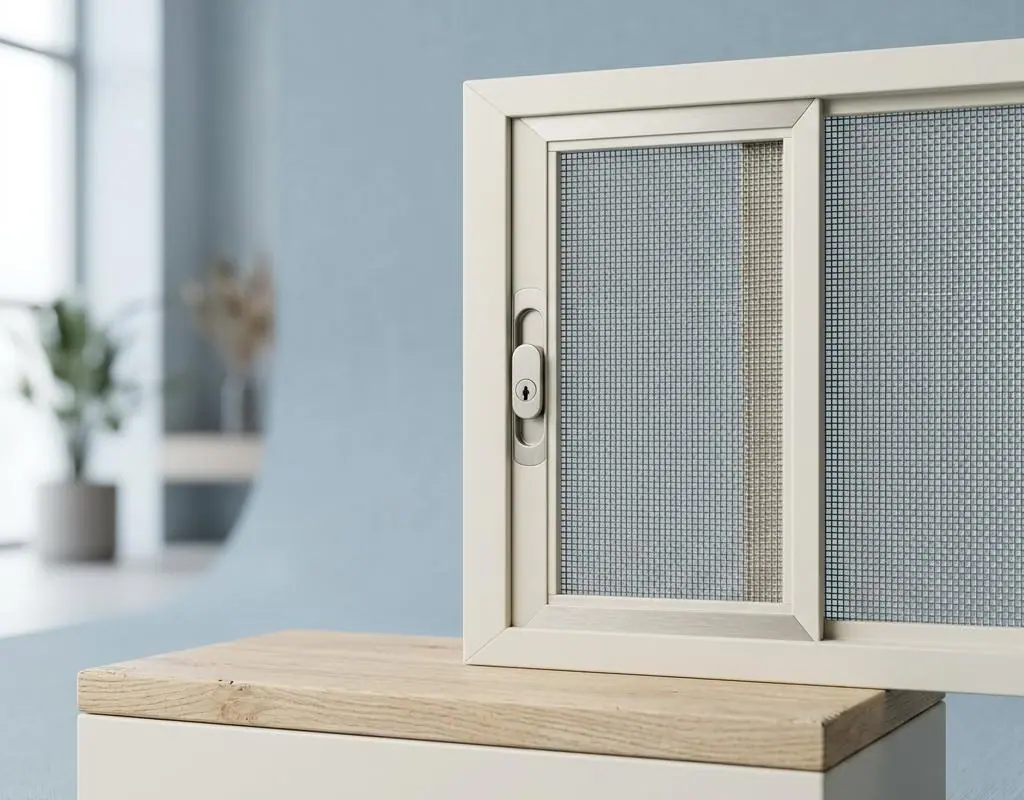
Size selection:The size of a mosquito screen should be selected according to the size of the bed. A good rule of thumb is that the mosquito screen should be slightly larger than the bed size, so that there is enough space around it to prevent mosquitoes from entering from the edges. For tent-style or freestanding mosquito screens, height should also be considered to ensure the user can move around easily inside.

Design choices:The design of a mosquito screen should be chosen according to the user's needs and the usage environment. For example, if you need to use a mosquito screen when camping or travelling outdoors, you should choose a style that is easy to install and convenient to carry; if you want the mosquito screen to match your home's interior décor, you should choose a style with attractive design and suitable colour and style.

Maintenance and cleaning: extend service life

Maintenance and cleaning of mosquito screens are also important factors in their service life. During use, we should avoid allowing sharp objects to touch the mosquito screen to prevent tearing or damage. At the same time, regular cleaning can effectively remove dust and insects from it.

When cleaning insect screens, choose a mild detergent and avoid cleaning products containing bleach, so as not to damage the material of the insect screen. After washing, hang the insect screen in a ventilated place to air-dry naturally, avoiding direct sunlight to prevent it from warping or fading.

When choosing an insect screen, we should consider from multiple angles such as material, size, design, and maintenance, and make an appropriate choice according to our own needs and usage environment.

Frequently asked by readers

FAQ

3 FAQs related to this article
Q1What is the difference between cat screens and insect screens?

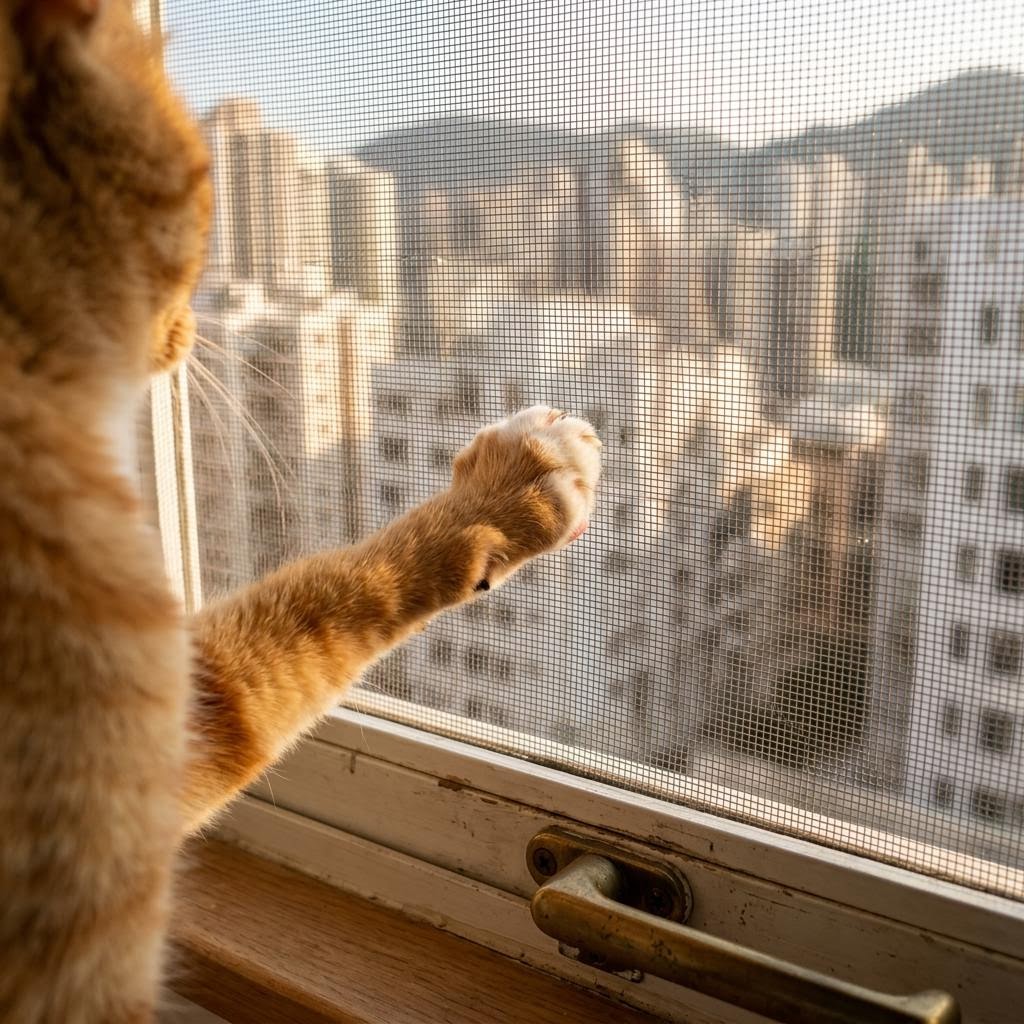
Mosquito nets are mainly used to prevent mosquitoes and insects. The mesh is relatively fine but is not necessarily claw-resistant, and it is not a pet barrier either; cat screens mainly use more claw-resistant materials or structures, and are used to reduce the chance of cats contacting the outside of the window. Most styles also have mosquito-prevention functions.

Q2Can a general insect screen be used as a cat screen?

Not recommended. Standard insect screens are designed to keep insects out, and cats can scratch through or push them open. If there are cats at home, please choose cat screens.

Q3How do you compare ordinary high-definition and Japan ultra-clear retractable insect screens?

HD insect screens are $800 per window and $1,300 per door; Japanese ultra-high-definition insect screens are $1,500 per window and $2,500 per door. They should be compared according to transparency, opening and closing, cleaning needs, size and fixing conditions; sizes beyond the included range require separate quotation. Old booking service records only prove insect-proof use, and cannot be used to claim 22-mesh, 48-mesh, scratch resistance or cat-safe level; households with cats must be separately assessed.

View all FAQs

Continue reading

Related guides

Handled by dedicated staff

Related services

View full price list

Professional assistance

Want to learn about Mosquito net installation?

Send us photos of the installation location so we can understand the style, measurement and quotation arrangements.

The button will only open WhatsApp and prefill a message; it will only be sent after you confirm it.