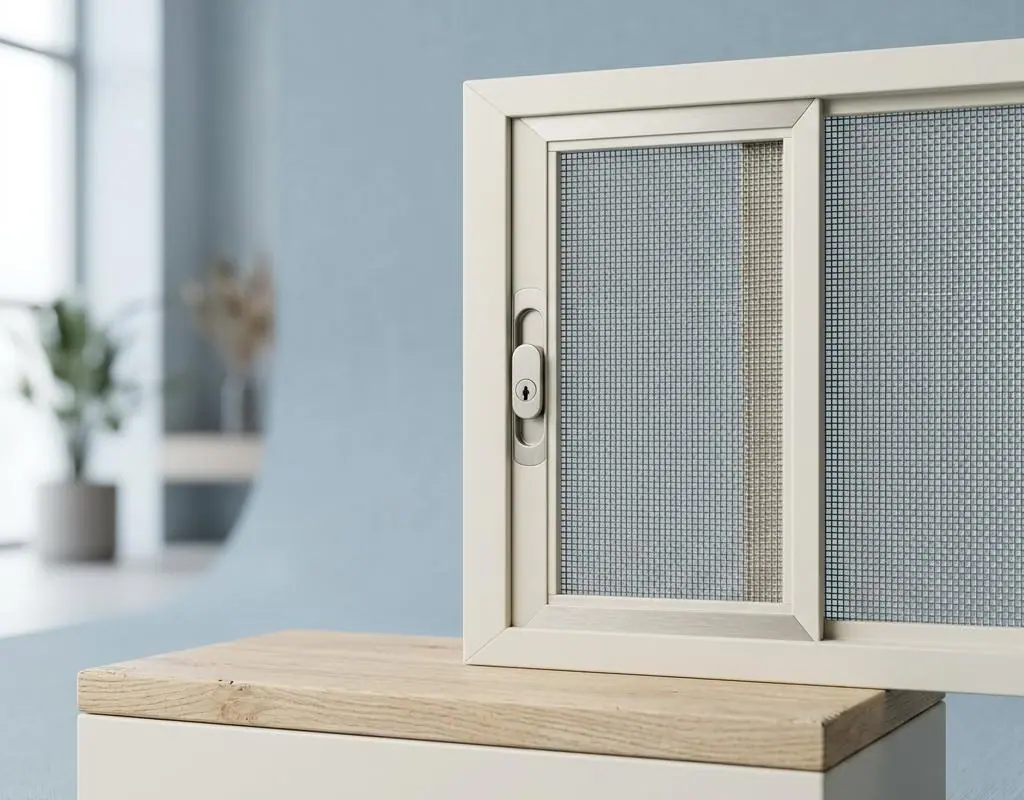
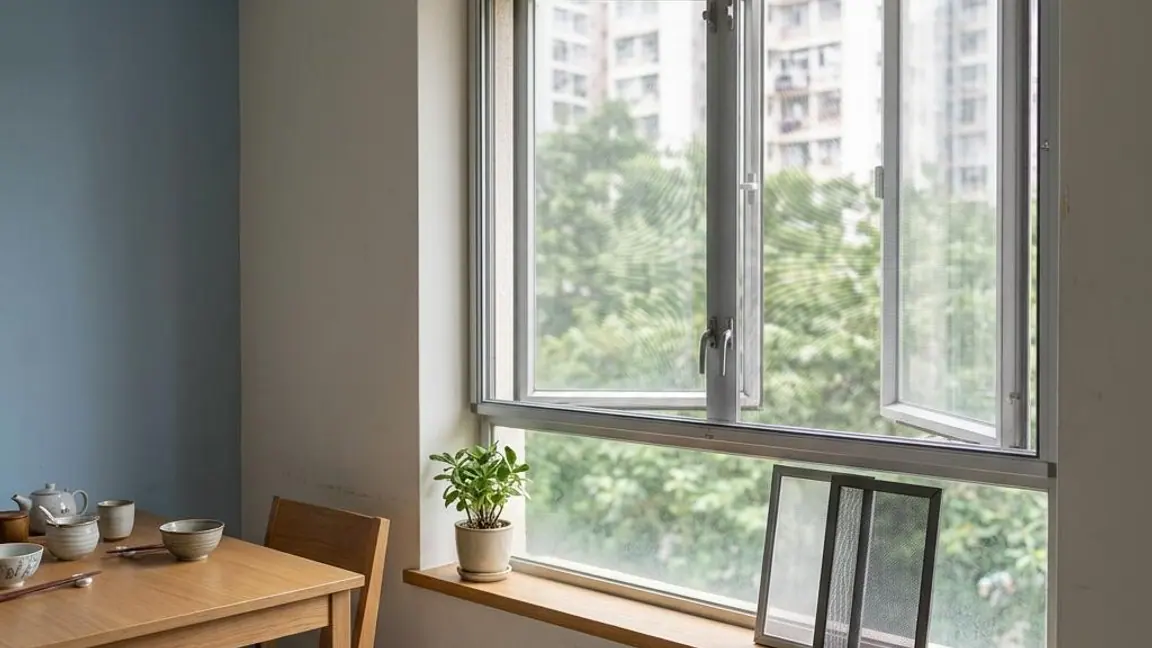
With the arrival of summer, the presence of mosquitoes has become a troublesome issue. Not only are their itchy bites hard to bear, more importantly, mosquitoes may transmit diseases such as dengue fever and malaria. Therefore, insect screens have become an indispensable protective item for homes, offices and even travel. This article will provide a comprehensive guide from material selection and installation methods to maintenance and care, helping you choose the insect screen that best suits your needs.
The importance of mosquito screens
In tropical and subtropical regions, mosquitoes are an important health threat. Using insect screens is an economical and effective way to prevent mosquitoes. It can not only block mosquitoes from entering living spaces, but also to a certain extent block other flying insects and bugs, providing you and your family with a more comfortable and safer environment.
Key Factors for Choosing Insect Screens
Material
Polyester fiber: lightweight, durable, and easy to clean, it is the most common choice on the market.
Stainless steel mesh: sturdy and durable, but the price is relatively higher.
Fiberglass: not easy to rust, with good light transmission, but may be relatively fragile.
Mesh size
The mesh holes should be small enough to block mosquitoes, but also large enough to maintain airflow. Usually the mesh size is around 1.2 mm.
Installation method