
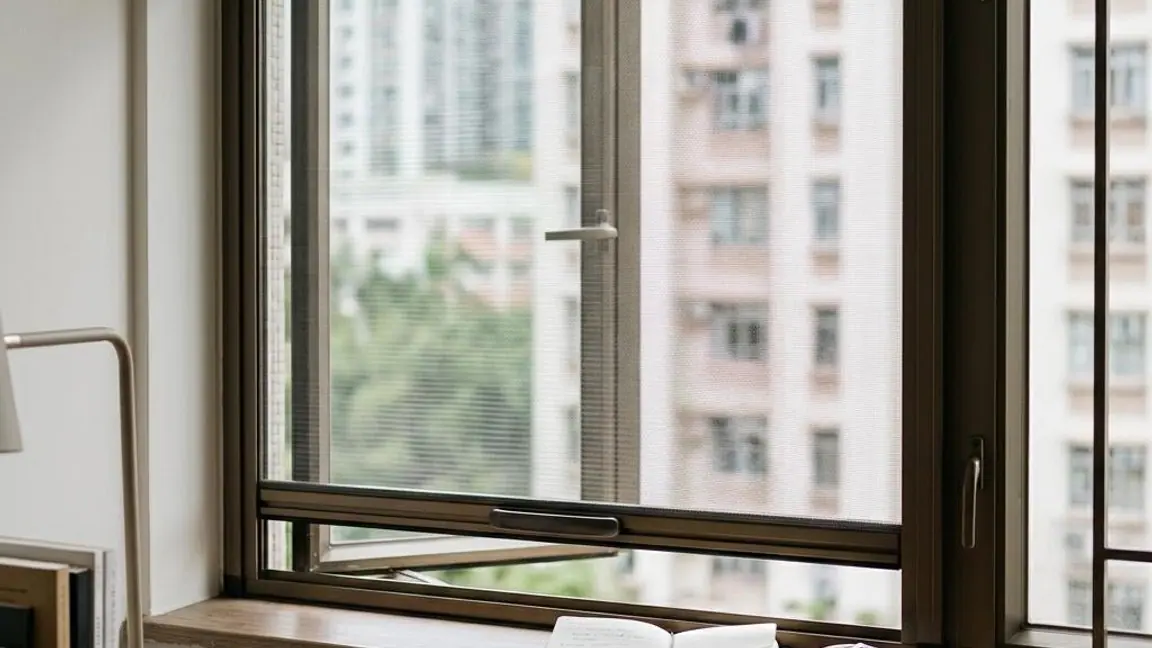
Back to the window screen encyclopediaHow to choose and install a retractable insect screen?

How to choose and install a retractable insect screen?

Table of contents

Mosquito nets let air circulate while preventing mosquitoes, which is especially important in summer. Retractable mosquito nets, with their convenient use and elegant appearance, have gradually become the first choice for modern homes. This article will introduce in detail the selection and installation of retractable mosquito nets, helping you easily create a comfortable mosquito-free home environment.

Advantages of roll-up insect screens

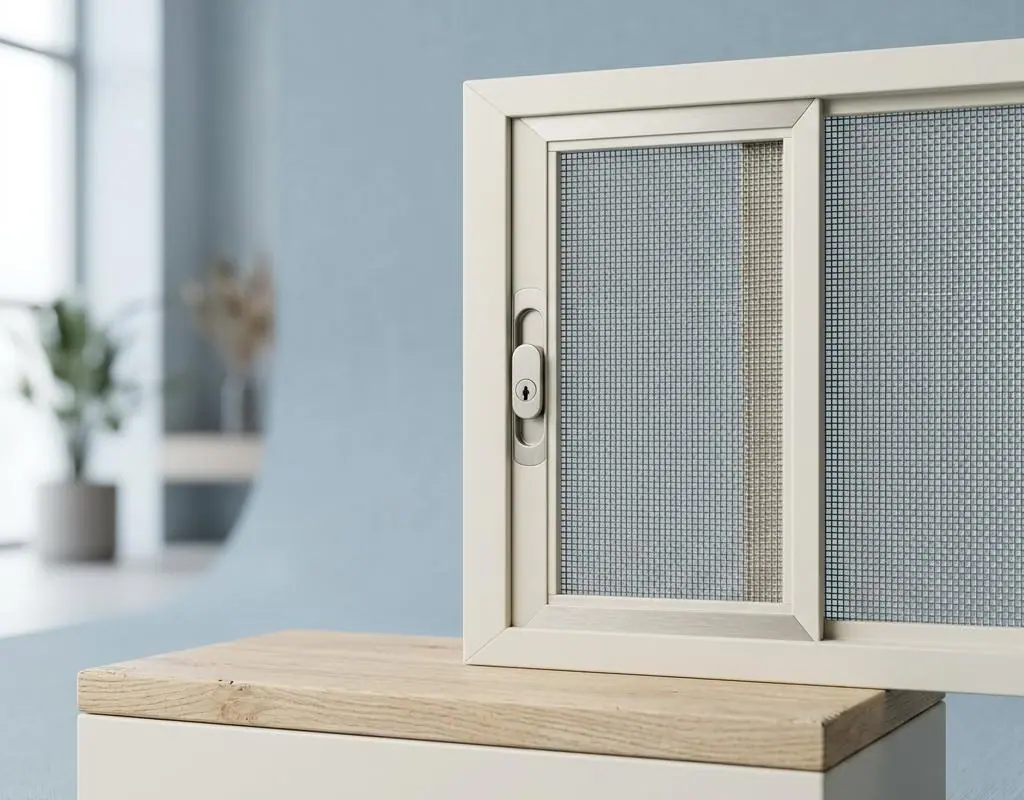
Roll-up insect screens, also known as roller blind insect screens or automatic roller blind insect screens, have the greatest advantage that they can be rolled up when not needed, taking up no space, and pulled down again when in use. This design saves space and is convenient and practical. It is suitable for various window types; whether sliding windows, casement windows or fixed windows, they can all be installed and used.

Flexibility

Retractable insect screens can be easily opened or retracted as needed, and when not in use they almost blend in with the window, without affecting appearance.

Easy to maintain

Because it can be fully retracted, it can avoid dust accumulation when not in use during the off-season, making it easier to maintain and clean than traditional fixed insect screens.

Easy to install

Modern retractable insect screens mostly use an easy installation design; ordinary households can install them themselves, with no need for professionals.

Choose a retractable insect screen

When choosing a retractable insect screen, you need to consider the following factors:

Material

The main materials of roll-up insect screens on the market are stainless steel, fibreglass, nylon, etc., among which fibreglass is favored by many consumers for its durability and resistance to deformation.

Size

Before purchasing, you must accurately measure the size of the window, including the width and height, to ensure the insect screen fits perfectly.

How to operate

Roll-up insect screens come in manual and automatic types. The automatic version is more convenient, but the price is relatively higher, while the manual version is more economical.
Brand and price

Choosing mosquito screens from well-known brands can provide better assurance in terms of quality and after-sales service. The price should be set according to personal budget, and quality and price are usually directly proportional.

Install the retractable insect screen

Before installing the retractable insect screen, make sure you have purchased the right insect screen and prepared the necessary tools. The installation steps are as follows:

First step: prepare tools

You will need to prepare the following tools: drill, screwdriver, ruler, spirit level, pencil, screws, etc.

Second step: measure the window

Carefully measure the width and height of the window, and remember to measure from several different points to ensure the accuracy of the data. After measuring, mark the position where the insect screen frame will be installed.

Third step: install the track

Use a drill to make holes at the marked positions, then fix the track to the window frame, ensuring the track is installed horizontally, which is crucial for the proper use of the insect screen.

Fourth step: install the insect screen body

Fix the insect screen roller at the top or side of the window frame, depending on your window type and personal preference, and make sure the insect screen runs smoothly in the track.

Fifth step: testing and adjustment

After installation is complete, test whether the opening and retracting of the insect screen are smooth. If there is any sticking or unevenness, make appropriate adjustments.

Sixth step: cleaning and maintenance

To ensure the service life of insect screens, regularly clean the tracks and the insect screen itself with a soft cloth to avoid the accumulation of dust and debris affecting performance.

Frequently asked by readers

FAQ

3 FAQs related to this article
Q1What is the difference between cat screens and insect screens?

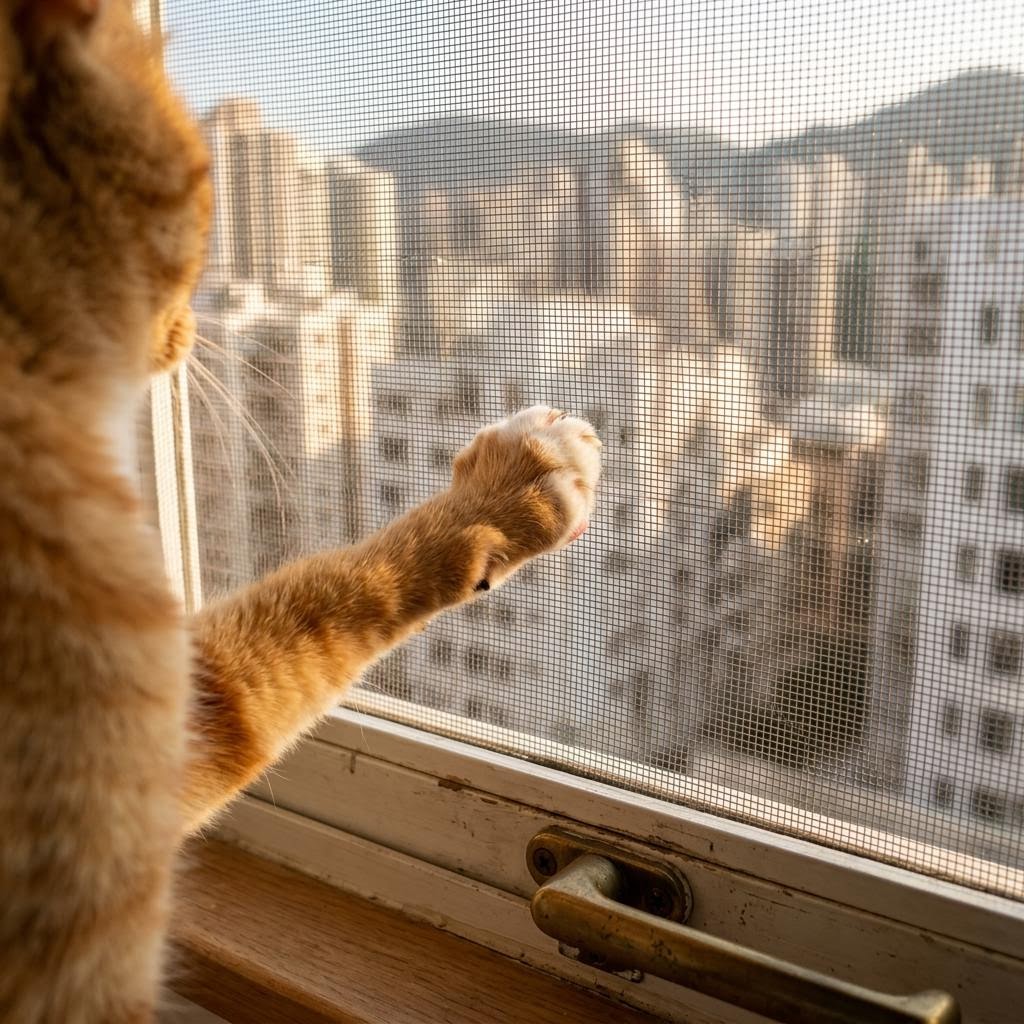
Mosquito nets are mainly used to prevent mosquitoes and insects. The mesh is relatively fine but is not necessarily claw-resistant, and it is not a pet barrier either; cat screens mainly use more claw-resistant materials or structures, and are used to reduce the chance of cats contacting the outside of the window. Most styles also have mosquito-prevention functions.

Q2Can a general insect screen be used as a cat screen?

Not recommended. Standard insect screens are designed to keep insects out, and cats can scratch through or push them open. If there are cats at home, please choose cat screens.

Q3How do you compare ordinary high-definition and Japan ultra-clear retractable insect screens?

HD insect screens are $800 per window and $1,300 per door; Japanese ultra-high-definition insect screens are $1,500 per window and $2,500 per door. They should be compared according to transparency, opening and closing, cleaning needs, size and fixing conditions; sizes beyond the included range require separate quotation. Old booking service records only prove insect-proof use, and cannot be used to claim 22-mesh, 48-mesh, scratch resistance or cat-safe level; households with cats must be separately assessed.

View all FAQs

Continue reading

Related guides

Handled by dedicated staff

Related services

View full price list

Professional assistance

Want to learn about Mosquito net installation?

Send us photos of the installation location so we can understand the style, measurement and quotation arrangements.

The button will only open WhatsApp and prefill a message; it will only be sent after you confirm it.