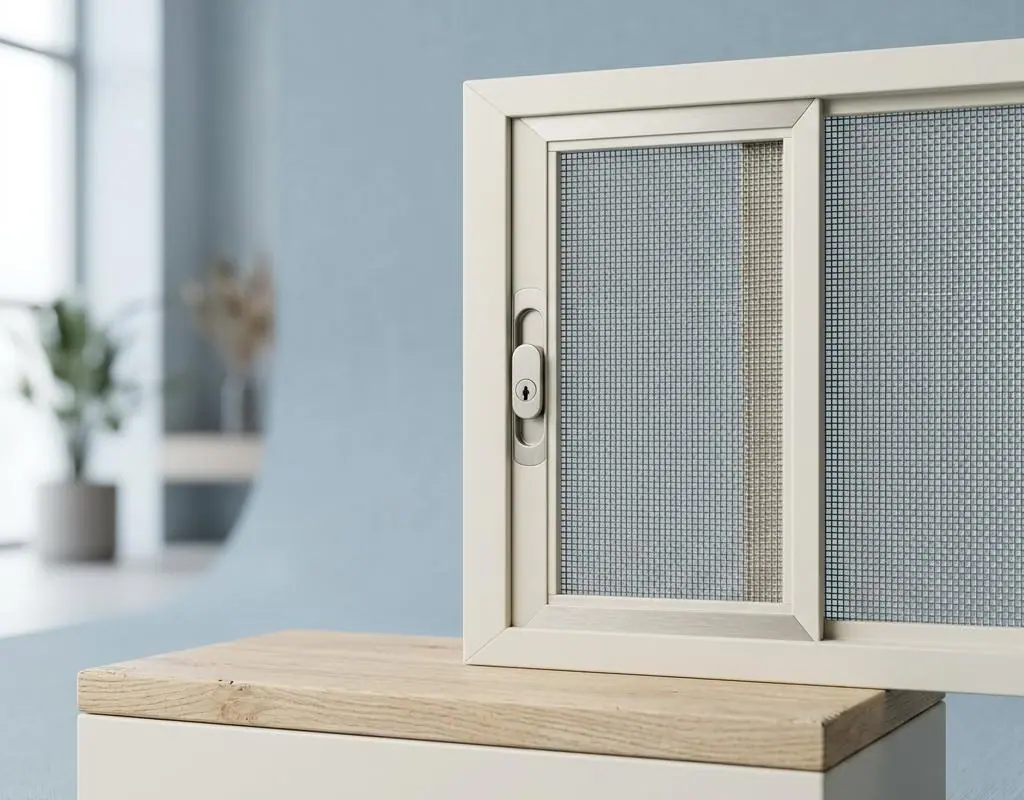
Mosquito nets are an important line of defence for home mosquito prevention, effectively blocking mosquitoes and insects from entering indoors and protecting our health. However, over time, mosquito nets may tear or become damaged due to external force, wear and tear, or environmental factors. Addressing these problems in a timely manner not only maintains the function of the mosquito net, but also extends its service life. This article will introduce how to effectively deal with tears and damage to mosquito nets, helping you maintain home comfort and safety.
Check for damage
First, when you find that the insect screen has tears or damage, you should carefully inspect the extent of the damage. Determining the size and location of the tear is the first step in repair. Small tears or tiny holes can be fixed with simple repair methods, while extensive damage may require replacing the entire insect screen.
Repair small tears
For small tears, you can use the following methods to repair them:
1. Use transparent adhesive tape
Transparent tape is a simple tool for repairing small tears. Apply the tape to both sides of the tear, making sure it adheres closely without leaving any gaps. This can temporarily seal the opening and prevent mosquitoes from getting in.
2. Sewing
If you have some knowledge of sewing, you can use needle and thread to sew up the torn area. Choose thread close to the colour of the insect screen, and gently sew the torn edges together; this not only helps maintain the integrity of the mesh, but also keeps it looking good.
Replace the damaged insect screen
When the damaged area of the insect screen is large, or the tear cannot be repaired, then the entire insect screen needs to be replaced. The following are the steps for replacing an insect screen:
1. Measure the window frame
Before purchasing a new insect screen, you should first measure the size of the window frame. Accurate measurement can ensure the new insect screen fits properly and avoid waste caused by an incorrect size.
2. Choose the suitable insect screen
There are many different types of insect screens on the market, including fixed, removable and magnetic insect screens. Choose the suitable insect screen according to your needs and the window type, and pay attention to the durability of its material.
3. Install a new insect screen
According to the product manual, install the new insect screen on the window frame. Make sure each fixing point is secure, so as to improve the stability of the insect screen and prevent damage caused by wind or other external forces.
Looking for help from a professional team
If you find it difficult to repair or replace insect screens, or if the damage is relatively severe, it is recommended to seek help from a professional service team. Professionals have extensive experience and professional tools, and can solve the problem quickly and effectively, while also providing suitable advice. They can also help you choose the most suitable insect screen, ensuring your home environment is safe and comfortable.
Dealing with tears and damage in insect screens is not a difficult task; as long as you master the correct methods and tools, you can effectively solve the problem. Whether repairing a small tear or replacing the entire insect screen, timely maintenance can ensure the function of the insect screen and protect your family's health. If you encounter difficulties during the process, seeking help from a professional team is also a wise choice. Through these methods, you will be able to continue enjoying a comfortable home environment free of mosquitoes.