
Back to the window screen encyclopediaHow to clean and maintain an insect screen

How to clean and maintain an insect screen

Table of contents

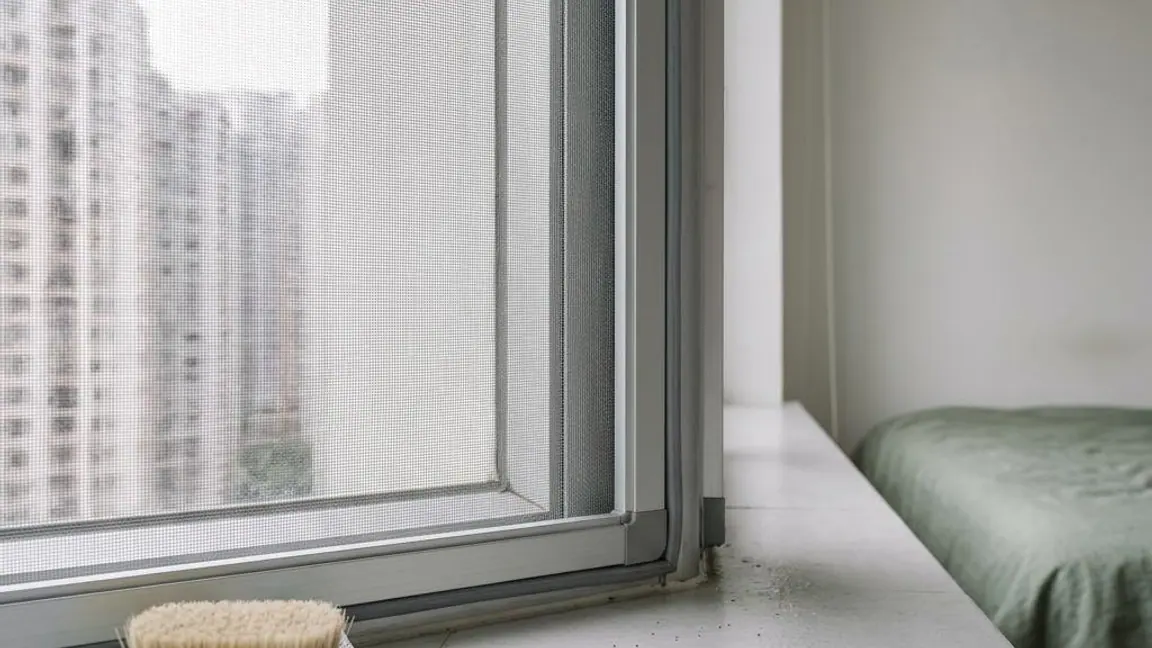
Mosquito nets are important equipment for preventing mosquito and insect intrusion and can effectively protect our living environment. However, over time, mosquito nets will accumulate dust, dirt and other impurities, affecting their protective effectiveness. Therefore, regular cleaning and maintenance of mosquito nets can not only extend their service life, but also keep the indoor environment hygienic. This article will introduce specific methods and techniques for cleaning and maintaining mosquito nets, helping you manage this important equipment more effectively.

Preparation for cleaning an insect screen

Before starting cleaning, you first need to prepare the required tools and materials. Generally speaking, you will need the following items:

  • A soft-bristle brush or a vacuum cleaner

  • Warm water and neutral detergent

  • Cleaning cloth or sponge

  • Rubber gloves (optional)

  • A separate bucket

These tools will help you stay efficient during the cleaning process and avoid damaging the insect screen.

Steps for cleaning an insect screen

1. Dismantling the insect screen

If the insect screen can be removed, it is recommended to take it down first. This will make cleaning more convenient. Remember to handle it carefully during removal to avoid damaging the installed structure.

2. Remove surface dust

Use a soft-bristle brush or vacuum cleaner to gently remove dust and debris from the surface of the insect screen. This step is very important because if surface dust is not removed first, subsequent cleaning may make the dirt harder to remove.

3. Prepare cleaning solution

Mix an appropriate amount of warm water and neutral detergent in a bucket. Neutral detergent will not damage the material of the insect screen, ensuring safety during the cleaning process.

4. Clean the insect screen

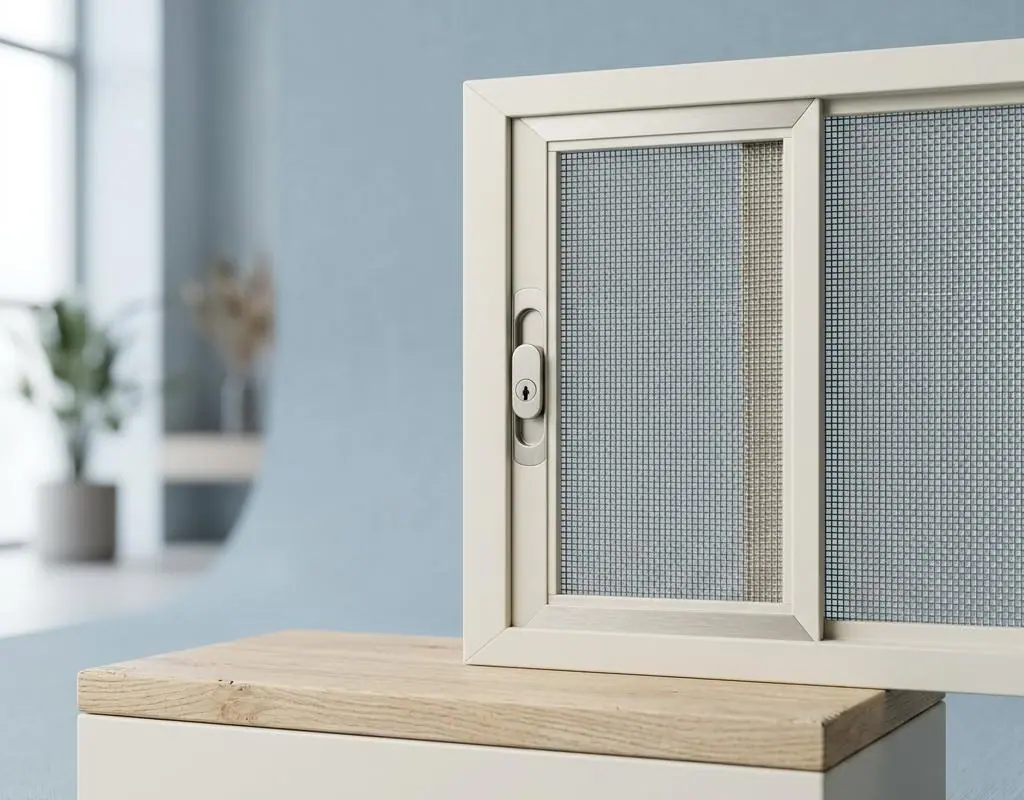
Soak a cleaning cloth or sponge in cleaning solution, then gently wipe every corner of the insect screen. Pay special attention to areas where dirt tends to accumulate, such as corners and frames. Do not scrub too hard when cleaning, so as not to damage the mesh.

5. Rinse and dry

After cleaning, rinse the insect screen with clean water to ensure all cleaning agents are thoroughly removed. Then place it in a cool, well-ventilated place to air-dry naturally, avoiding direct sunlight to prevent the material from deforming.

Tips for maintaining insect screens

1. Regular inspection

It is recommended to check the condition of the insect screens from time to time, especially during damp seasons. Early detection of problems such as damage or looseness allows timely repairs and avoids greater losses.

2. Avoid heavy pressure

Placing heavy objects on insect screens may cause deformation or damage. In daily life, try to avoid placing large items on insect screens.

3. Regular cleaning

Depending on usage, it is recommended to carry out a thorough cleaning once every quarter, especially during seasons when mosquitoes are active. This can effectively maintain the protective effect of the insect screen.

Frequently asked by readers

FAQ

3 FAQs related to this article
Q1What is the difference between cat screens and insect screens?

Mosquito nets are mainly used to prevent mosquitoes and insects. The mesh is relatively fine but is not necessarily claw-resistant, and it is not a pet barrier either; cat screens mainly use more claw-resistant materials or structures, and are used to reduce the chance of cats contacting the outside of the window. Most styles also have mosquito-prevention functions.

Q2Can a general insect screen be used as a cat screen?

Not recommended. Standard insect screens are designed to keep insects out, and cats can scratch through or push them open. If there are cats at home, please choose cat screens.

Q3How do you compare ordinary high-definition and Japan ultra-clear retractable insect screens?

HD insect screens are $800 per window and $1,300 per door; Japanese ultra-high-definition insect screens are $1,500 per window and $2,500 per door. They should be compared according to transparency, opening and closing, cleaning needs, size and fixing conditions; sizes beyond the included range require separate quotation. Old booking service records only prove insect-proof use, and cannot be used to claim 22-mesh, 48-mesh, scratch resistance or cat-safe level; households with cats must be separately assessed.

View all FAQs

Continue reading

Related guides

Handled by dedicated staff

Related services

View full price list

Professional assistance

Want to learn about Mosquito net installation?

Send us photos of the installation location so we can understand the style, measurement and quotation arrangements.

The button will only open WhatsApp and prefill a message; it will only be sent after you confirm it.