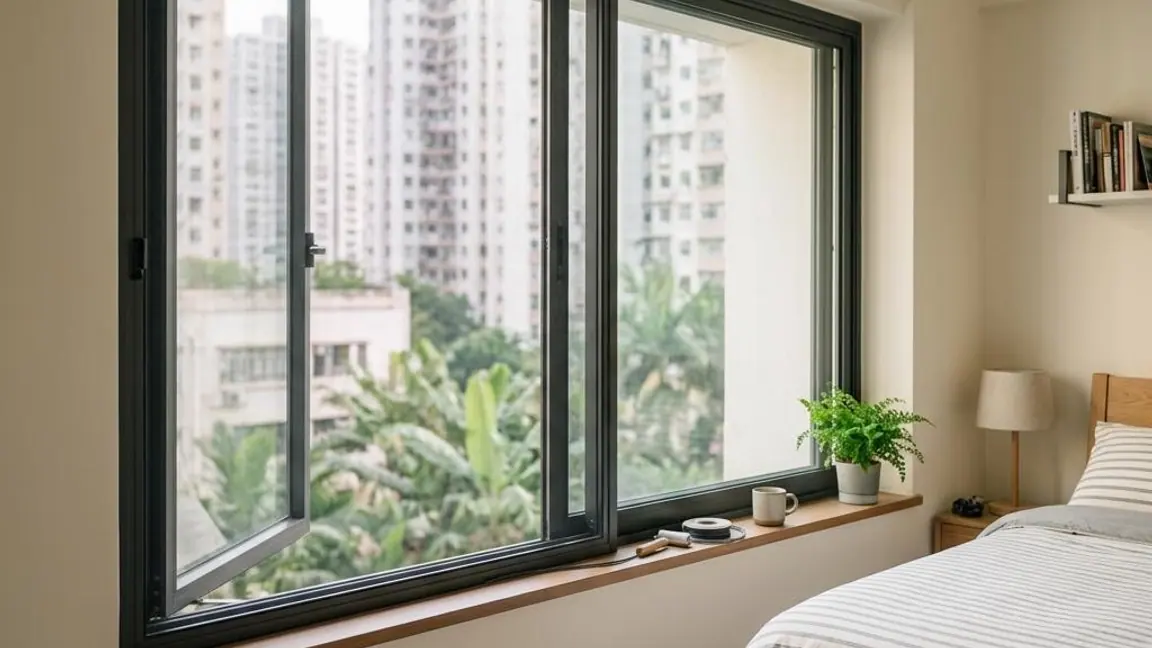
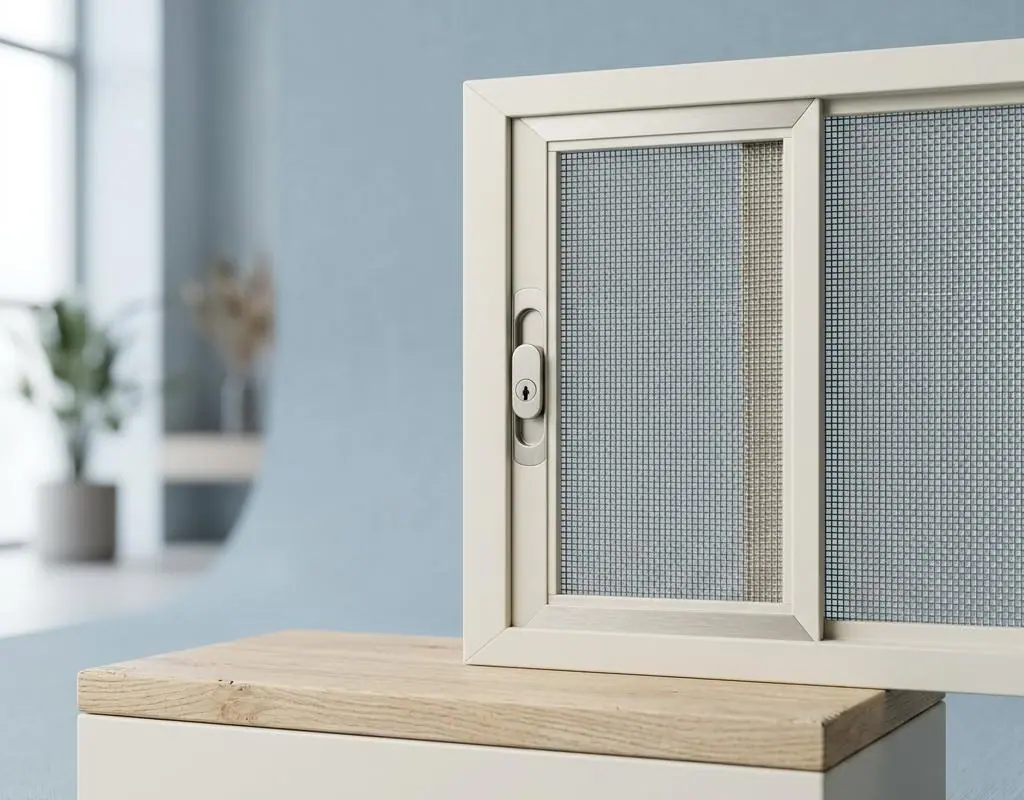
In tropical or subtropical regions, mosquitoes and other insects may become a major problem, especially during humid seasons. In order to protect our homes from the intrusion of these small invaders, installing insect screens is an indispensable step. The following is a detailed article that will explain to you how to choose and install insect screens, as well as how to maintain and clean them.
Why do you need insect screens?
A mosquito screen is a mesh structure that can effectively block mosquitoes and other insects from entering indoors, thereby reducing diseases spread by these insects, such as dengue fever, malaria, and the Zika virus. In addition, mosquito screens can allow fresh air to flow and keep indoor spaces ventilated while blocking dust and dirt, so mosquito screens are an effective tool for protecting your family's safety and maintaining indoor comfort.
Factors for Choosing Insect Screens
When choosing an insect screen, there are several main factors to consider:
Material:The material of a mosquito screen needs to be strong enough to withstand wind and rain, and to block mosquitoes and other small insects from getting through. Nylon and metal wire are two common mosquito screen materials. Nylon mosquito screens are softer and easier to install and replace, while metal wire mosquito screens are stronger and more durable, but installation may be more difficult.
Mesh size:The mesh size of a mosquito screen should be small enough to prevent mosquitoes and other small insects from passing through. Generally speaking, a mosquito screen with a mesh size between 1.2mm and 1.7mm should be chosen.
Size and shape:Mosquito screens should be able to completely cover the opening of the window or door you need to protect. Before purchasing a mosquito screen, remember to first measure the size of the window or door, and consider the installation method of the mosquito screen.
Mosquito screen installation steps
Below is a step-by-step insect screen installation guide:
Measure the size of the window or door:First, you need to use a tape measure to measure the length and width of the window or door where the insect screen needs to be installed. Please make sure the measured area includes the window frame or door frame.
Buy the appropriate insect screen:According to your measurements, purchase an appropriately sized insect screen that meets your needs. When choosing, please make sure the size of the insect screen is larger than the opening of your window or door so that it can fully cover it.
Cutting insect screens:If the insect screen you bought is larger than the opening of your window or door, you may need to cut it down to the appropriate size. Use scissors to cut the insect screen along the length and width you measured, but leave some margin for installation.
Install an insect screen:Place the cut insect screen over the opening of the window or door, aligning it with the window frame or door frame. If possible, find an assistant to help support the insect screen to ensure its position. Then, use nails or screws to secure the insect screen to the window frame or door frame. Please make sure the insect screen fits tightly against the window frame or door frame to prevent insects from entering.
Check and adjust:After installing the insect screen, please check and make sure it fully covers the opening of the window or door, and that there are no gaps for insects to get through. Make any necessary adjustments if needed.
Cleaning and maintenance of mosquito screens
To ensure the effectiveness and service life of insect screens, regular cleaning and maintenance are necessary. Below are some cleaning and maintenance suggestions for insect screens:
Regular inspection:Regularly check the condition of the insect screen for any holes or tears; if there are any, they need to be repaired or replaced immediately.
Regular cleaning:Use mild soap and water to regularly clean the insect screen, gently brushing away dirt and dust from the mesh surface, then rinse clean with water. Please remember not to use cleaning agents containing bleach or other strong chemicals, as they may damage the material of the insect screen.
Installing and maintaining insect screens is an effective way to protect your home from mosquitoes and other insects. Choosing the right insect screens and carrying out regular cleaning and maintenance can ensure that your insect screens always perform at their best.